Meet Inspiring Speakers and Experts at our 3000+ Global Events with over 1000+ Conferences, 1000+ Symposiums and 1000+ Workshops on Medical, Pharma, Engineering, Science, Technology and Business.

Explore and learn more about Conference Series : World’s leading Event Organizer

Conference Series Conferences gaining more Readers and Visitors

Conference Series Web Metrics at a Glance

  • 3000+ Global Events
  • 100 Million+ Visitors
  • 75000+ Unique visitors per conference
  • 100000+ Page views for every individual conference

Unique Opportunity! Online visibility to the Speakers and Experts

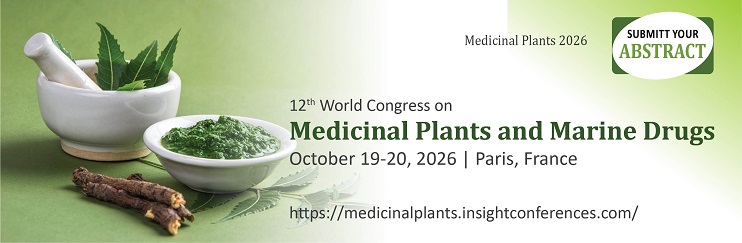
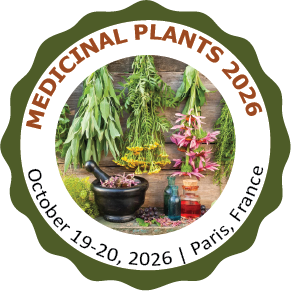
Medicinal Plants 2026

About the Conference

The 12th World Congress on Medicinal Plants and Marine Drugs will be held on October 19-20, 2026, in Paris, France. This prestigious event will bring together leading scientists, researchers, and industry experts to explore the future of natural products, with a special focus on advanced extraction techniques and biotechnology applications in medicinal plants and marine drugs.

Under the theme “Advancing natural medicines through next-generation extraction technologies and biotechnological innovations in plant and marine resources.”, the congress aims to showcase cutting-edge research and innovations in the field. The event will highlight the growing importance of natural products in drug discovery, health and wellness, and environmental sustainability, while emphasizing the role of modern technologies such as biotechnology and advanced extraction methods in unlocking the full potential of these bioactive compounds.

Attendees will have the opportunity to engage in thought-provoking discussions, participate in hands-on workshops, and network with experts and innovators in the field of medicinal plants, marine drugs, and natural product chemistry. This congress will serve as a platform for advancing collaboration and fostering new ideas in the global movement towards harnessing the power of nature for health and therapeutic solutions.

We invite researchers, clinicians, and industry professionals to join us in Paris for this exciting event.

Sessions / Tracks

Track 1: Bioactive Compounds: Discovery and Characterization

Bioactive compounds, derived from plants, marine organisms, and microorganisms, have therapeutic potential for diseases such as cancer and infections. The discovery process begins with bioprospecting, where natural sources are explored for novel compounds. Once identified, these compounds are isolated using chromatography and purified for further analysis.

Characterization involves determining the chemical structure using techniques like NMR spectroscopy and mass spectrometry. Biological activity is assessed through pharmacological testing, such as antimicrobial or anticancer assays. Additionally, in silico methods like molecular docking predict how these compounds interact with biological targets

Track 2 Ethnobotany: Traditional Knowledge and Modern Applications

Ethnobotany studies how indigenous cultures use plants for medicinal, nutritional, and cultural purposes. This field combines traditional knowledge with modern scientific methods to uncover valuable bioactive compounds for drug discovery. Indigenous communities have long used local plants to treat various ailments, and modern research is now validating these practices by isolating active compounds with therapeutic potential.

Ethnobotany also aids in conservation efforts, as many medicinal plants face threats from overharvesting and habitat loss. By documenting traditional plant knowledge, researchers can develop sustainable harvesting practices, ensuring that these plants remain available for future use.

By integrating cultural wisdom with scientific inquiry, ethnobotany offers a pathway to new treatments and promotes the sustainable use of biodiversity, preserving both medicinal knowledge and cultural heritage.

Track 3 Pharmacology of Medicinal Plants

the pharmacology of medicinal plants focuses on how plant-derived compounds interact with biological systems to produce therapeutic effects. Bioactive compounds like alkaloids, flavonoids, and terpenoids exhibit activities such as anti-inflammatory, antioxidant, and anticancer effects by targeting specific biological pathways.

Research involves identifying these compounds, evaluating their toxicity, dosage, and efficacy through clinical trials, and studying their pharmacokinetics (absorption, metabolism) and pharmacodynamics (biological effects).

Medicinal plants are a promising source of new therapeutics, especially in areas where conventional treatments are limited, and they continue to play a crucial role in drug discovery by combining traditional knowledge with modern scientific methods.

Track 4Marine-Derived Pharmaceuticals: Innovations and Trends

Marine organisms, including sponges, corals, algae, and microorganisms, are a promising source of bioactive compounds with unique chemical structures and therapeutic potential. Recent innovations in marine drug discovery focus on isolating compounds with activities such as anticancer, antimicrobial, and anti-inflammatory effects. Notable examples include trabectedin, a cancer drug from marine sponges, and marine peptides with antimicrobial properties.

A key trend in this field is the advancement of marine biotechnology, using genetic engineering and microbial fermentation to produce marine-derived compounds sustainably at scale. This approach helps overcome challenges related to resource scarcity and environmental impact.

Track 5 Herbal Medicine in Integrative Healthcare

Herbal medicine plays a significant role in integrative healthcare, combining traditional plant-based remedies with conventional medical treatments to provide a holistic approach to patient care. As interest in natural therapies grows, many healthcare providers are incorporating herbal treatments alongside standard medical interventions to address a wide range of conditions, from chronic pain and inflammation to mental health issues like anxiety and depression.

Herbal remedies, such as turmeric for inflammation, ginger for digestive health, and lavender for stress, are valued for their ability to support the body’s natural healing processes. In integrative care, these remedies are often used to enhance the effects of conventional treatments, reduce side effects, and promote overall well-being.

Track 6Natural Products in Cancer Therapeutics

Natural products, derived from plants, marine organisms, and microorganisms, have long been a rich source of cancer therapeutics. Compounds such as Taxol from the Pacific yew tree and etoposide from the May apple plant have become essential in cancer treatment. These bioactive molecules often work by interfering with cancer cell growth, inducing apoptosis, or inhibiting metastasis. Ongoing research continues to explore new natural products, focusing on targeted therapies and combination treatments that enhance efficacy and minimize side effects. Natural products remain a promising avenue for discovering novel cancer drugs with unique mechanisms of action.

Track 7Drug Development from Marine Resources

Marine organisms, including sponges, corals, and marine microbes, are a rich source of novel bioactive compounds with therapeutic potential. Marine-derived drugs have shown promise in treating a variety of diseases, particularly cancer, infections, and neurodegenerative disorders. Compounds like trabectedin (anticancer) and eflornithine (antimalarial) highlight the success of marine bioprospecting. Advances in marine biotechnology now enable sustainable production of these compounds, overcoming challenges in sourcing and scaling. With ongoing research and innovations in drug delivery systems and biotechnology, marine resources continue to provide valuable leads for the development of new, effective pharmaceuticals.

Track 8Sustainable Harvesting and Conservation Strategies

Sustainable harvesting and conservation are critical to preserving biodiversity and ensuring the long-term availability of medicinal plants and marine resources. Overharvesting can lead to species depletion, threatening ecosystems and traditional knowledge. Strategies such as cultivation, seed banking, and sustainable farming practices help ensure that medicinal plants remain available without damaging natural habitats. In marine drug discovery, sustainable practices include aquaculture, marine protected areas, and responsible sourcing of marine organisms. Collaborative efforts between researchers, conservationists, and local communities are essential for balancing resource use with environmental protection, ensuring both ecological and economic sustainability.

Track 9 Phytochemistry and Analytical Techniques

Phytochemistry is the study of bioactive compounds in plants, focusing on their chemical structures, properties, and biological activities. It plays a crucial role in discovering new therapeutic agents, as many pharmaceuticals are derived from plant sources. Analytical techniques such as chromatography (HPLC, TLC, GC), mass spectrometry (MS), nuclear magnetic resonance (NMR) spectroscopy, and infrared (IR) spectroscopy are essential for identifying, quantifying, and characterizing plant metabolites. These techniques enable researchers to isolate pure compounds, determine their molecular structures, and assess their potential for drug development, making Phytochemistry a key discipline in both medicinal and environmental sciences.

Track 10:  Nutraceuticals and Functional Foods

Nutraceuticals and functional foods are products derived from food sources that provide health benefits beyond basic nutrition. Nutraceuticals include isolated bioactive compounds, such as vitamins, minerals, and plant extracts, which promote health or prevent disease. Functional foods, on the other hand, are whole foods enhanced with additional nutrients or bioactive components, like fortified cereals or probiotic yogurt. Both sectors are growing rapidly due to increasing consumer awareness of the link between diet and health. Research in this field focuses on identifying bioactive compounds, their mechanisms of action, and their potential to prevent chronic diseases, enhance immunity, and improve overall well-being.

Track 11:  Microbial Symbionts in Medicinal Plants

Microbial symbionts in medicinal plants play a pivotal role in enhancing plant health, growth, and the production of bioactive compounds. These microbes, including bacteria, fungi, and actinomycetes, establish beneficial relationships with plants, influencing their metabolism and stress resilience. Recent studies have shown that microbial communities in plant rhizospheres or endospheres can enhance the synthesis of pharmacologically active compounds, improving the therapeutic potential of medicinal plants. By modulating plant secondary metabolism, microbial symbionts may contribute to higher yields of medicinal molecules, offering new avenues for sustainable production and discovery of natural products with pharmacological significance for human health.

Track 12:  Pharmacognosy: Quality Control and Standardization

Pharmacognosy focuses on the study of natural products, particularly from plants, as sources of medicinal compounds. Quality control and standardization are essential to ensure the efficacy, safety, and consistency of herbal medicines. Methods include organoleptic evaluation, microscopic examination, and chemical profiling using techniques such as high-performance liquid chromatography (HPLC) and mass spectrometry (MS). Standardization involves determining the precise concentration of active constituents and verifying the absence of contaminants. Rigorous quality control ensures that medicinal plants meet established pharmacopoeia standards, promoting the safe use of herbal products in therapeutics. These practices are crucial for the growing global market for natural health products.

Track 13:  Biotechnology in Medicinal Plant Research

Biotechnology plays a transformative role in medicinal plant research by enhancing the production, quality, and accessibility of bioactive compounds. Techniques like plant tissue culture, genetic engineering, and metabolic pathway manipulation allow for the large-scale production of medicinal compounds that are often scarce in nature. Genetic modifications can optimize the synthesis of bioactive molecules, while tissue culture techniques ensure consistent production of secondary metabolites. Additionally, biotechnology aids in the conservation of endangered medicinal plants and accelerates the development of new, more potent therapeutic agents. This integration of modern biotechnology with traditional plant knowledge holds promise for advancing herbal medicine and drug discovery.

Track 14:  Aquatic Ecosystems and Medicinal Properties

Aquatic ecosystems, including freshwater and marine environments, are rich sources of bioactive compounds with significant medicinal properties. Many aquatic organisms, such as algae, sponges, corals, and fish, produce unique metabolites that exhibit antimicrobial, anti-inflammatory, anticancer, and antioxidant activities. These compounds have become valuable in drug discovery, offering novel therapeutic targets. Research into the bioactive potential of aquatic ecosystems also supports the conservation of these habitats, which are increasingly threatened by pollution and climate change. Exploring the medicinal properties of aquatic biodiversity could lead to the development of sustainable, natural remedies and innovative treatments for various health conditions.

Track 15:  Ethno pharmacology: Indigenous Healing Practices

Ethno pharmacology explores the traditional use of plants, animals, and minerals in indigenous healing systems across the globe. By studying these indigenous practices, researchers gain insights into the pharmacological properties of natural substances long used for treating diseases. Ethno pharmacological research preserves indigenous knowledge while validating the efficacy of traditional remedies through scientific methods. Many modern drugs have originated from these indigenous healing traditions, highlighting the importance of this field in drug discovery. Additionally, ethno pharmacology promotes cultural heritage preservation and supports sustainable practices by encouraging the use of local, natural resources for health care, fostering both ecological and human well-being.

Track 16:  Marine Toxins and Therapeutic Potential

Marine toxins, produced by marine organisms such as algae, sponges, and mollusks, are potent bioactive compounds with significant therapeutic potential. While many marine toxins are associated with harmful effects, recent research has revealed their promising applications in medicine. Compounds like brevotoxins, tetrodotoxins, and conotoxins exhibit diverse pharmacological properties, including neuroprotective, analgesic, and anticancer activities. These marine-derived toxins have become valuable tools for drug discovery, particularly in pain management, neurological disorders, and cancer therapies. Ongoing research into their mechanisms of action and potential therapeutic uses could revolutionize treatment options, highlighting the untapped value of marine biodiversity in modern medicine.

Track 17:  Novel Formulations and Drug Delivery Systems

Novel formulations and advanced drug delivery systems (DDS) are transforming pharmaceutical science by enhancing the bioavailability, efficacy, and targeted delivery of therapeutic agents. Innovations such as nanoparticles, liposomes, and micelles enable precise drug targeting to specific tissues or cells, reducing side effects and improving treatment outcomes. Controlled release formulations and smart DDS adapt to changing physiological conditions, offering sustained drug release over time. These technologies also facilitate the delivery of biologics, vaccines, and poorly soluble compounds. With ongoing research, novel formulations and DDS hold immense potential for personalized medicine, improving patient compliance, and addressing complex medical conditions more effectively.

Track 18:  Regulatory Guidelines for Natural Products

Regulatory guidelines for natural products ensure the safety, efficacy, and quality of herbal medicines, dietary supplements, and other natural-based therapeutics. Authorities like the FDA, EMA, and WHO establish standards for manufacturing, labeling, and marketing to protect consumer health. These guidelines include requirements for Good Manufacturing Practices (GMP), proper clinical testing, and quality control measures, ensuring that natural products meet established pharmacopoeia standards. Additionally, regulations address issues of adulteration, contamination, and standardization of active ingredients. With the increasing global demand for natural products, robust regulatory frameworks are essential to guarantee product integrity, support consumer trust, and promote sustainable use of natural resources.

Track 19:  Plant-Microbe Interactions in Drug Synthesis

Plant-microbe interactions play a vital role in the biosynthesis of bioactive compounds, offering new avenues for drug discovery. Microorganisms, including bacteria and fungi, can influence plant metabolism by enhancing the production of secondary metabolites with medicinal properties. Symbiotic relationships between plants and microbes often lead to the synthesis of novel compounds that may have antimicrobial, anticancer, or anti-inflammatory effects. Additionally, microbes can aid in plant growth and stress resilience, indirectly boosting the yield of valuable plant-based pharmaceuticals. Understanding these interactions opens opportunities for sustainable drug production, as well as the development of biotechnological approaches to enhance or manipulate the synthesis of therapeutic agents.

Track 20Pharmacovigilance and Safety Assessment

Pharmacovigilance and safety assessment are critical components of drug development and post-market surveillance, ensuring the safety and efficacy of pharmaceutical products. Pharmacovigilance involves the monitoring, detection, assessment, and prevention of adverse drug reactions (ADRs) or other drug-related problems. Safety assessments include preclinical and clinical trials, where potential risks are evaluated in controlled environments, followed by real-world monitoring once the drug is marketed. This ongoing process helps identify rare or long-term side effects and ensures that the benefits of a drug continue to outweigh the risks. Effective pharmacovigilance promotes public health and regulatory compliance, supporting patient safety across diverse therapeutic areas.

 

Participant Options & Benefits

The 12th World Congress on Medicinal Plants and Marine Drugs offers a variety of registration categories and exclusive benefits designed to provide an enriching scientific and professional experience. Whether you are a researcher, academician, clinician, pharmacologist, herbal medicine expert, marine scientist, student, or industry representative, this congress provides an ideal platform to exchange knowledge, showcase innovations, and foster global collaborations.

1. Presenter Registration

  • Present your latest research through oral or poster presentations.
  • Receive valuable feedback from internationally recognized experts and fellow researchers.
  • Showcase innovative discoveries in medicinal plants, marine natural products, phytochemistry, and drug development.
  • Gain opportunities for publication in conference proceedings or affiliated journals.
  • Enhance your academic and professional profile through international scientific recognition.

2. Delegate Registration

  • Attend all keynote lectures, scientific sessions, panel discussions, and workshops.
  • Interact with internationally renowned researchers, clinicians, and industry professionals.
  • Build valuable collaborations with experts in medicinal plants, marine biotechnology, pharmacognosy, and natural product research.
  • Receive conference materials, including the scientific program and abstract book.
  • Stay informed about the latest advances in natural medicines, marine bioactive compounds, and pharmaceutical innovations.

3. Student Registration

  • Benefit from discounted registration fees exclusively for students.
  • Participate in educational sessions led by distinguished international experts.
  • Present research through poster presentations and gain valuable academic recognition.
  • Network with senior scientists, professors, researchers, and fellow students.
  • Explore career development opportunities in pharmaceutical sciences, herbal medicine, biotechnology, and marine drug discovery.

4. Industry Registration

  • Showcase pharmaceutical products, herbal formulations, marine-derived therapeutics, laboratory technologies, and healthcare innovations.
  • Strengthen business relationships with researchers, healthcare professionals, manufacturers, and decision-makers.
  • Increase brand visibility through exhibition and sponsorship opportunities.
  • Discover emerging trends and market developments in medicinal plants, marine biotechnology, and natural product pharmaceuticals.
  • Build strategic partnerships with global organizations, research institutes, and industry leaders.

5. Virtual Attendance

  • Access live-streamed keynote lectures and scientific sessions from anywhere in the world.
  • Watch on-demand recordings at your convenience.
  • Participate in virtual discussions and networking opportunities.
  • Interact with speakers through live question-and-answer sessions.
  • Experience the congress remotely while enjoying comprehensive scientific access.

Benefits for Participants

Gain insights into the latest innovations, research breakthroughs, and emerging applications of medicinal plants, marine natural products, and biotechnology.

Learn from internationally recognized experts through keynote lectures, workshops, and interactive scientific sessions.

Expand your professional network by connecting with researchers, academicians, clinicians, pharmaceutical scientists, marine biologists, and industry leaders from around the world.

Discover collaborative research opportunities, funding prospects, commercialization pathways, and career advancement possibilities.

Explore advanced extraction technologies, marine bioactive compounds, phytopharmaceuticals, nutraceuticals, and sustainable natural product development.

Enhance your scientific knowledge, research capabilities, and professional expertise through a comprehensive multidisciplinary scientific program.

Join Us at the 12th World Congress on Medicinal Plants and Marine Drugs

The 12th World Congress on Medicinal Plants and Marine Drugs will be held on October 19–20, 2026, in Paris, France, under the theme "Advancing Natural Medicines through Next-Generation Extraction Technologies and Biotechnological Innovations in Plant and Marine Resources."

Whether you are a medicinal plant researcher, pharmacologist, phytochemist, marine scientist, biotechnologist, academician, clinician, herbal medicine practitioner, pharmaceutical professional, student, policymaker, or industry representative, this congress offers an exceptional opportunity to exchange scientific knowledge, present pioneering research, establish global collaborations, and contribute to the future of natural medicine and marine drug discovery.

Register today and become part of a prestigious international gathering dedicated to advancing medicinal plants, marine pharmaceuticals, sustainable biotechnological innovations, and next-generation natural therapeutics in Paris, France.


Abstract Review Process

Abstract Review Process for the 12th World Congress on Medicinal Plants and Marine Drugs

October 19–20, 2026 | Paris, France

Theme: Advancing Natural Medicines through Next-Generation Extraction Technologies and Biotechnological Innovations in Plant and Marine Resources

Abstract Submission and Review

Researchers, academicians, industry professionals, clinicians, and students are invited to submit their abstracts through the official conference submission portal. All submitted abstracts will undergo a rigorous peer-review process conducted by the Scientific Committee to evaluate their relevance to the conference theme, originality, scientific significance, methodological quality, and overall contribution to the fields of medicinal plants and marine drugs.

Abstract Acceptance

After the review process is completed, corresponding authors of accepted abstracts will receive an official Abstract Acceptance Letter via email. Acceptance of an abstract does not automatically confirm participation in the conference. Presenting authors must complete their conference registration to secure their presentation in the scientific program.

Registration Guidelines

  • Each registration is valid for one participant only.

  • Every accepted abstract must have at least one registered presenting author.

  • Co-authors who wish to attend the conference must complete their own registration and pay the applicable registration fee.

  • Registered co-authors are eligible for a 15% discount on the Non-Presenter (Listener) Registration Fee.

Certification

Presentation Certificates will be awarded to registered presenting authors following the successful completion of their presentations.

Co-authors will receive participation certificates only if they have completed their conference registration and payment.

Co-Author Discount

To receive the co-author discount, participants should contact the organizing committee before completing their registration. The conference team will provide the required instructions to ensure the discount is applied successfully.

Important Information for Co-Authors

  • Each co-author attending the conference must register individually.

  • A 15% discount is available on the Non-Presenter (Listener) Registration Fee.

  • Prior communication with the organizing committee is required to activate the discount.

  • Participation certificates will be issued only to registered co-authors.

For any questions regarding abstract submission, registration, or conference participation, please contact the organizing committee. We look forward to welcoming you to the 12th World Congress on Medicinal Plants and Marine Drugs, taking place on October 19–20, 2026, in Paris, France, where global experts will come together to advance natural medicines through next-generation extraction technologies and biotechnological innovations in plant and marine resources.

Visa Process

Visa Process for the 12th World Congress on Medicinal Plants and Marine Drugs

October 19–20, 2026 | Paris, France

Planning to attend the 12th World Congress on Medicinal Plants and Marine Drugs in Paris, France? The following guide will help you complete your visa application smoothly and prepare for your visit.

Step 1: Complete Your Registration

Register for the conference through the official registration portal. Once your registration has been confirmed, you will receive an official Invitation Letter, which can be used to support your France (Schengen) visa application.

Step 2: Determine the Appropriate Visa

Most international participants will require a Schengen Short-Stay (Type C) Visa to attend the conference in France. This visa allows eligible visitors to travel to France and other Schengen countries for conferences, business meetings, scientific events, and short-term professional activities. Please verify the latest visa requirements based on your nationality before submitting your application.

Step 3: Prepare the Required Documents

Applicants should prepare the following documents:

  • A valid passport with at least three months of validity beyond the intended departure date from the Schengen Area.

  • Completed Schengen visa application form.

  • Official conference Invitation Letter.

  • Conference registration confirmation.

  • Recent passport-sized photographs meeting Schengen visa specifications.

  • Travel itinerary, including round-trip flight reservations (if available).

  • Hotel or accommodation confirmation.

  • Proof of travel medical insurance valid throughout the Schengen Area.

  • Proof of sufficient financial resources, such as recent bank statements, employment verification, or sponsorship documents.

  • Any additional supporting documents requested by the French Embassy or Visa Application Centre.

Step 4: Submit Your Visa Application

Complete your visa application and schedule an appointment with the nearest French Embassy, Consulate, or authorized Visa Application Centre (VAC) in your country. Applicants are encouraged to apply well in advance, as appointment availability and processing times may vary.

Step 5: Attend Your Visa Appointment

Visit the Visa Application Centre or French Consulate on your scheduled appointment date with all required documents. Depending on your country of residence, you may be required to provide biometric information and attend a short interview regarding the purpose of your visit.

Step 6: Visa Processing

Visa processing times vary depending on your country of application and the time of year. Participants are strongly advised to submit their applications at least 6–8 weeks before their intended travel date to ensure sufficient processing time.

Step 7: Receive Your Visa

Once your visa application has been approved, collect your passport and carefully verify that all visa details are accurate before making your final travel arrangements.

Helpful Tips

  • Start your visa application as early as possible.

  • Ensure that all submitted documents are accurate, complete, and up to date.

  • Keep copies of your invitation letter, registration confirmation, travel insurance, accommodation booking, and travel itinerary.

  • Regularly check the official French government or your local French Embassy website for the latest visa requirements and processing updates applicable to your country.

We look forward to welcoming distinguished researchers, pharmacologists, botanists, marine scientists, healthcare professionals, academicians, industry experts, policymakers, and students from around the world to the 12th World Congress on Medicinal Plants and Marine Drugs, taking place on October 19–20, 2026, in Paris, France.

Market Analysis

The 12th World Congress on Medicinal Plants and Marine Drugs is poised to be a pivotal event in the global scientific landscape. Market analysis indicates a surge of interest in natural products and marine-derived pharmaceuticals, driven by a growing awareness of their therapeutic potential. With a diverse audience comprising researchers, industry experts, and scholars, the conference is set to be a hub for knowledge exchange and collaboration.

Pharmaceutical companies, biotech firms, and academic institutions are expected to flock to the event, seeking opportunities for partnerships and innovative ventures. The conference's comprehensive agenda, covering topics from bioactive compound discovery to regulatory frameworks, caters to a wide range of interests within the industry.

Set against the backdrop of Paris, France, a city with a rich history in natural remedies and pharmaceutical breakthroughs, the event is further poised to attract a global audience. Exhibitors showcasing cutting-edge technologies and products related to natural product research are anticipated to play a significant role in the event, contributing to a dynamic and interactive atmosphere. Overall, the 11th World Congress on Medicinal Plants and Marine Drugs promises to be a catalyst for advancements in this dynamic and rapidly evolving field.

To Collaborate Scientific Professionals around the World

Conference Date October 19-20, 2026

For Sponsors & Exhibitors

sponsor@conferenceseries.com

Speaker Opportunity

Past Conference Report

Supported By

Medicinal & Aromatic Plants Journal of Pharmacognosy & Natural Products Alternative & Integrative Medicine

All accepted abstracts will be published in respective Conference Series International Journals.

Abstracts will be provided with Digital Object Identifier by


Media partners & Collaborators & Sponsors

mediapartner

Media Partner

mediapartner

Media Partner

mediapartner

Media Partner

mediapartner

Media Partner

mediapartner

Media Partner

mediapartner

Media Partner

Keytopics

  • Advanced Extraction Techniques For Natural Products
  • Artificial Intelligence In Natural Product Research
  • Blue Biotechnology And Marine Pharmaceuticals
  • Clinical Evaluation Of Herbal Medicines
  • Conservation Of Medicinal Plant Resources
  • Ethnopharmacology And Traditional Herbal Medicine
  • Future Trends In Medicinal Plant And Marine Drug Research
  • Herbal Formulations And Novel Delivery Systems
  • Herbal Immunomodulators
  • Herbal Medicine Safety And Toxicological Evaluation
  • Herbal Medicine Standardization
  • Herbal Products And Quality Control
  • Marine Alkaloids And Peptides
  • Marine Bioactive Peptides And Proteins
  • Marine Bioactive Pigments
  • Marine Biodiversity And Pharmaceutical Innovation
  • Marine Biomaterials For Regenerative Medicine
  • Marine Bioprospecting Technologies
  • Marine Drug Formulation And Development
  • Marine Drug Pharmacology
  • Marine Drugs For Cardiovascular Health
  • Marine Enzymes For Pharmaceutical Applications
  • Marine Fungal Secondary Metabolites
  • Marine Lipids And Omega Bioactives
  • Marine Microbial Metabolites
  • Marine Nanotechnology In Drug Delivery
  • Marine Natural Product Discovery
  • Marine Natural Products For Infectious Diseases
  • Marine Pharmacokinetics And Toxicology
  • Marine Polysaccharides In Medicine
  • Marine Symbiotic Organisms As Drug Sources
  • Marine Toxins In Drug Development
  • Marine-Derived Anticancer Compounds
  • Marine-Derived Antifungal Agents
  • Marine-Derived Bioactive Compounds
  • Marine-Derived Nutraceuticals
  • Medicinal Plant Biotechnology
  • Medicinal Plant Conservation Genomics
  • Medicinal Plant Genomics
  • Medicinal Plant Phytochemistry
  • Medicinal Plants For Chronic Disease Management
  • Medicinal Plants For Metabolic Disorders
  • Medicinal Plants In Neuropharmacology
  • Medicinal Plants In Precision Medicine
  • Natural Antioxidants From Plants And Oceans
  • Pharmacognosy Of Medicinal Plants
  • Phytochemicals In Cancer Therapy
  • Phytopharmaceutical Development
  • Plant And Marine Compound Synergy
  • Plant Metabolomics And Bioactive Profiling
  • Plant Tissue Culture For Bioactive Production
  • Plant-Based Anti-Diabetic Therapeutics
  • Plant-Based Anti-Inflammatory Therapies
  • Plant-Based Antimicrobial Agents
  • Plant-Based Drug Discovery
  • Plant-Derived Antiviral Agents
  • Regulatory Aspects Of Herbal And Marine Drugs
  • Seaweed-Derived Therapeutic Agents
  • Sustainable Harvesting Of Marine Bioresources
  • Translational Research In Natural Product Therapeutics